
How many New Year celebrations do you have in a year? That might sound like an odd question – but not for the Bhutanese. Due to its cultural diversity engendered by geographic isolation, Bhutan has many different Losar, or New Year, celebrations. “Losar” literally translates to “New Year” (Lo = Year, Sar = New), and different regions in Bhutan mark the beginning of the year at varying times.
These celebrations are intrinsically linked to Bhutan’s diverse landscapes’ seasonal changes and agricultural cycles. Most festivities occur in winter when farmers take a break from the fields, marking the autumnal harvest with joyous revelry. In western valleys like Haa and Paro, the New Year is celebrated as “lomba”, literally meaning “carrying a year.” Some areas of Paro and Wang commemorate “karm nyaru” as their New Year on the day the full moon and the Pleiades star cluster are visible together.
Many Bhutanese communities also observe the winter solstice, known as “nyilö” (ཉི་ལོག་), as the New Year. This solar event marks when the sun reaches its southernmost point before traveling northward again, heralding longer and warmer days ideal for a new agricultural cycle in the northern hemisphere. While nyilö is celebrated across Bhutan, it is most prominent in the eastern districts.
Chunipa Losar
Chunipa Losar, observed on the first day of the twelfth lunar month, is primarily celebrated in eastern Bhutan, where it is known as Sharchokpé Losar (ཤར་ཕྱོགས་པའི་ལོ་གསར་). Regarded as the true Bhutanese New Year, the timing of this festival holds great significance, following the completion of the year’s harvest season.
Like other Bhutanese seasonal festivals marking a new season, Chunipa Losar falls around the Winter Solstice, after the agricultural work for one season is completed and before the new harvest cycle begins. Thus, it is a seasonal celebration well-aligned with the agrarian populace.
Historically rooted in the annual offering of newly harvested grains to Zhabdrung Ngawang Namgyel in Punakha, Chunipa Losar earned another name – the Traditional Day of Offering. This act of gratitude for the bountiful yield was a cherished tradition, with representatives from various regions converging in Punakha. The Trongsa Penlop coordinated the eastern areas, the Paro Penlop oversaw the west, and the Darkar Ponlop managed the southern territories for this grain offering ceremony.
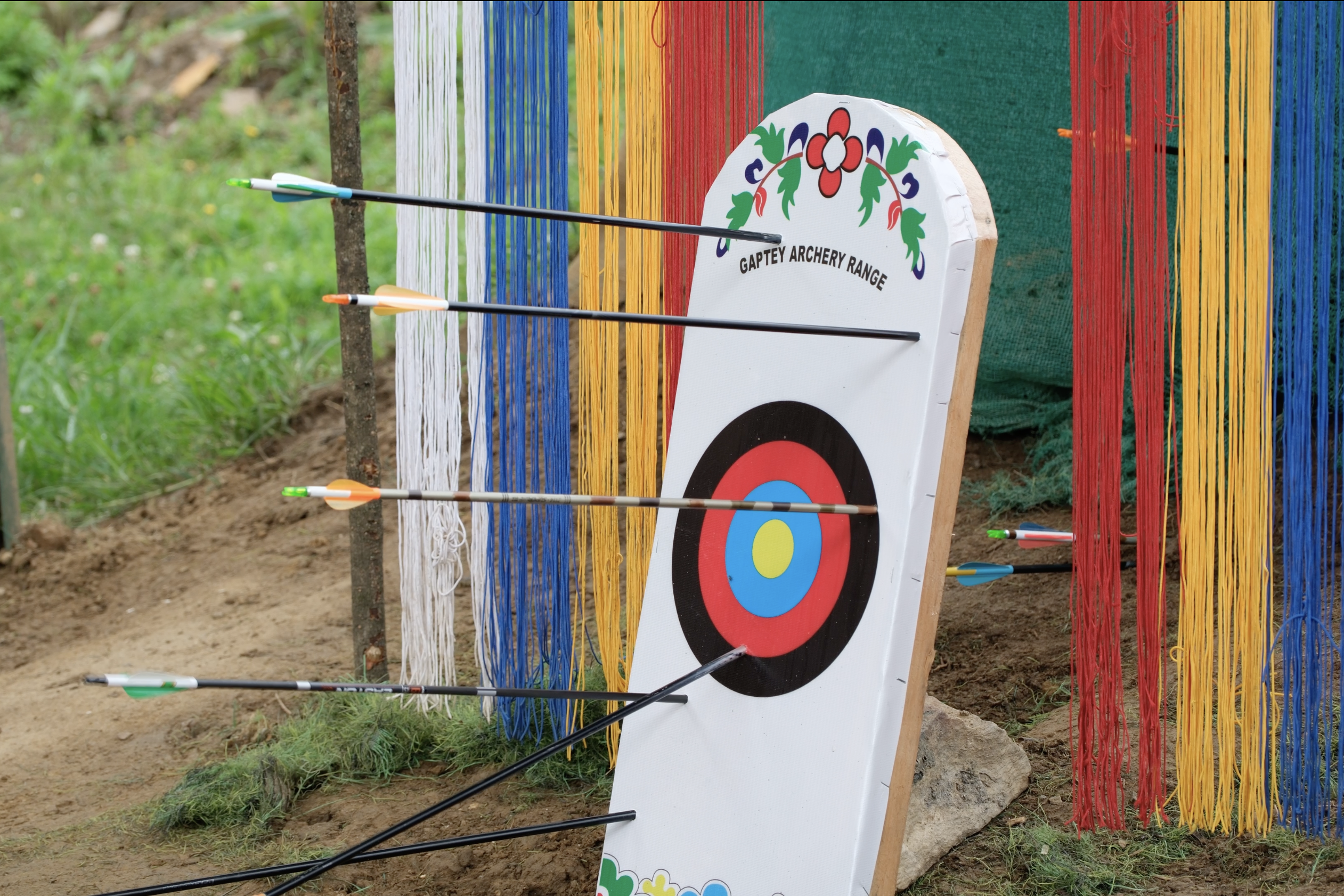
In times past, Chunipa Losar festivities spanned several days, with families gathering for lavish feasts, games, and nightly celebrations. Men often pursued traditional sports like archery, while women handled culinary preparations. As evening fell, entire communities would unite for joyous parties featuring music, dance, and merriment.
Today, while the celebrations have modernized, the essence of Chunipa Losar remains unaltered. Many families now opt for picnic outings, spending time with their loved ones.
Dawa Dangpa Losar
Dawa Dangpa Losar, celebrated in February every year, is one of the two major New Year festivals widely observed across Bhutan, along with Chunipa Losar.
The origins of Dawa Dangpa Losar can be traced back to ancient Bon spiritual traditions that predated Buddhism in Tibet. During the winter season, the Bon people performed rituals involving burning large quantities of incense to appease local spirits, deities, and protectors. When Buddhism arrived in Tibet, these older Bon ceremonies were incorporated into Buddhist practices, giving rise to the Losar festival tradition.
Dawa Dangpa Losar is closely connected to the use of the Tibetan calendar, with some minor differences. The festival gained widespread popularity after the 1960s, influenced by the many Tibetans who came to Bhutan.
Dawa Dangpa Losar marks a significant transition between seasons – the end of winter and the beginning of a new agricultural cycle or harvest season. It is a two-day national holiday in Bhutan, typically falling when the new harvest season is about to commence.
In rural areas, people wake up early on the New Year’s day, take ceremonial baths, dress in new clothes, and make offerings at household shrines, followed by family prayer rituals. The celebrations also involve traditional games like archery and Khuru, feasting on special dishes, and visiting monasteries to offer prayers.
Nyilo
Nyilo is the Bhutanese winter solstice festival, roughly falling in the 11th Bhutanese month and coinciding with early January. Nyilo literally means ‘the return of the sun’ – the day from which the duration of sunlight increases, signifying the start of longer days. Nyilo is considered the most auspicious day of the year for the Bhutanese. The people have traditionally believed that on Nyilo, past mistakes may be erased and the karmic value of good deeds can multiply.
Nyilo is observed as the new year festival of the people of the Shar and Wang regions in western Bhutan. Lolay is celebrated as an integral part of Nyilo. From the Buddhist perspective, Lolay is a type of celebration aimed at blocking certain paranormal misfortunes from befalling the region and thereby promoting peace and prosperity in the region for the entire year to come.
The term Lolay means ‘prosperous year’. It refers to the special performance conducted by groups of children and young men on the eve of Nyilo. The village children gather into smaller groups and proceed from house to house, singing Lolay incantations containing words of prayers and good wishes for the coming new year. The farmers offer gifts to the children, known as tendrel gi tsul or tokens of auspiciousness. The children participating in this Lolay tradition are called Lolay Jangme.
Nyilo is a break for the villagers between their hectic farming schedules, where men enjoy archery, degor and khuru matches as part of the new year celebrations.
Lomba
The New Year (ལོ་གསརཔ) celebrated in Paro and Haa districts is commonly referred to as Lomba (ལོ་འབག). It stands as one of the most special occasions in these two western regions of Bhutan.
Some believe that the Lomba celebration originated with the very beginnings of human settlement in the area when people first started agricultural practices to work for food. Others think Lomba began with the arrival of Phajo Drugom Zhikpo in the 13th century, while some accounts suggest it started even earlier than that.
Lomba typically falls in the late autumn season after all crops have been harvested, affording people some free time before the next cycle of farm work begins. It takes place on the 29th day of the 9th lunar month according to the Bhutanese calendar and is celebrated for a minimum of five days. In Paro, the Lomba festivities continue until the 2nd day of the tenth month, while in Haa they often extend up to the 15th day.
Lomba signifies the passing of the old year and heralds the coming of the new year. It is a joyous family occasion filled with displays of prosperity to warmly welcome the prosperous new year ahead. For the younger generation, Lomba presents an opportunity for fun and merrymaking.
An integral tradition of Lomba involves children going around the villages on the evening of the 29th day of the lunar month, shouting ‘Lolay, Lolay’. Groups of young boys make their way from home to home carrying a long stick with a basket hanging at one end. They sing Lolay Lolay rhymes, which are essentially well-wishes for a good New Year, until the homeowners come out and place a höntö (regional style of dumpling) into their baskets.
For the residents of Haa, höntö is considered a special festive food and holds great significance during the Lomba events. Höntö is a type of steamed dumpling akin to momos, made from a mixture of dry turnip leaves, amaranth seeds, and chili prepared in fermented cheese, all wrapped in a dough casing of buckwheat flour. In contrast, the staple Lomba cuisine in Paro tends to be rice and meat-based, with a wide variety of meat dishes served such as beef, pork, chicken, and at times even yak meat. A Paro specialty is jomju where rice and butter are stuffed into the intestines.
It is a tradition during Lomba for residents to perform small ceremonial rituals within their homes. The purpose is to drive away any evil influences and thereby usher in health, happiness and prosperity for the upcoming New Year. In certain communities, people make ritualistic offerings to local deities as well. It is believed that if such offerings are not made properly, the deities may get annoyed and cause harm, hence there is great spiritual significance attached to making the offerings correctly.
Lomba is universally considered the common birthday for all residents of Paro and Haa districts. Every person from these two regions regards themselves as one year older after the Lomba celebration.
Other interesting information about Bhutan’s New Year Celebrations
Preparations:
As Losar nears, Bhutanese households undergo a thorough annual spring cleaning, discarding old items and making way for the new – mirroring New Year renewal rituals across many Asian cultures.
Culinary Delights:
The real stars are the mouthwatering Bhutanese delicacies like hearty stews, iconic ema datshi (chili cheese), nutty red rice, and assorted sweets. Sugarcane and green bananas grace the spreads, embodying hopes for a prosperous year. Don’t miss the creamy paneer thukpa soup and whimsical dough ball snacks filled with surprises hinting at one’s fortunes.
Temple Traditions:
Llakhangs and monasteries get lavishly decorated as the wafting chants of sacred pujas fill the air. Many perform the ‘Lama Losar’ ritual offerings, seeking blessings for the new year.
Outdoor Festivities:
If weather permits, families escape outdoors for joyous picnics with feasting, dancing, and singing around majestic dzongs like Punakha at the river confluences.
Greetings of Cheer:
The warm refrain of “Losar Tashi Delek” resonates, with friends and loved ones exchanging wishes for good luck in the year ahead.
If you have the opportunity to visit Bhutan during this vibrant time, immersing yourself in the Losar celebrations will surely create lasting memories. From enjoying delicious traditional dishes to experiencing the joyous atmosphere, participating in the Bhutanese celebration of the New Year is guaranteed to delight all your senses.
Hoping to time your visit with a celebration? Check the dates for every tshechu in our Bhutan festival calendar.
Culture & Heritage
Ready to Explore Bhutan?
Let us craft your perfect Bhutanese adventure
Plan Your Journey