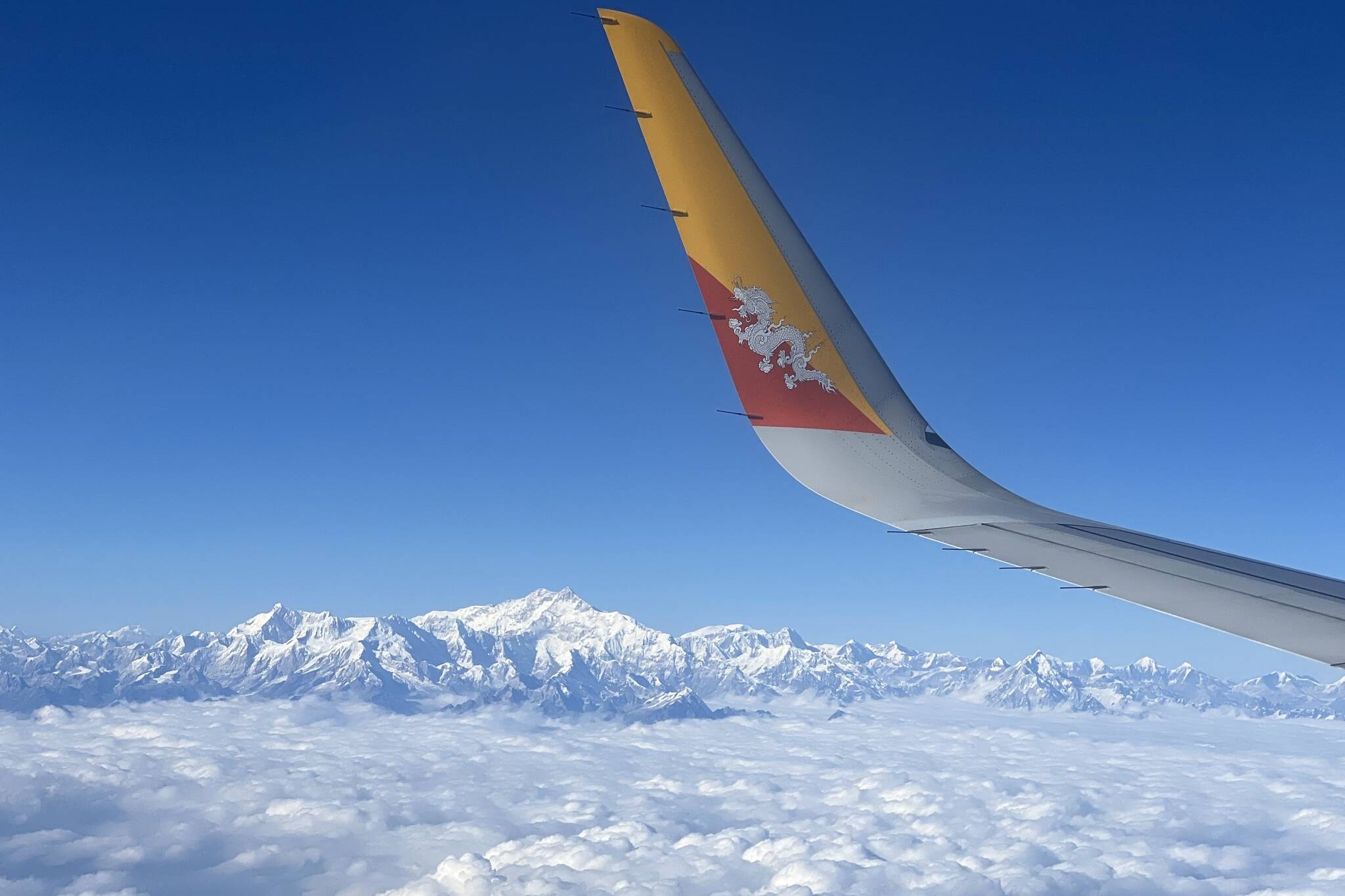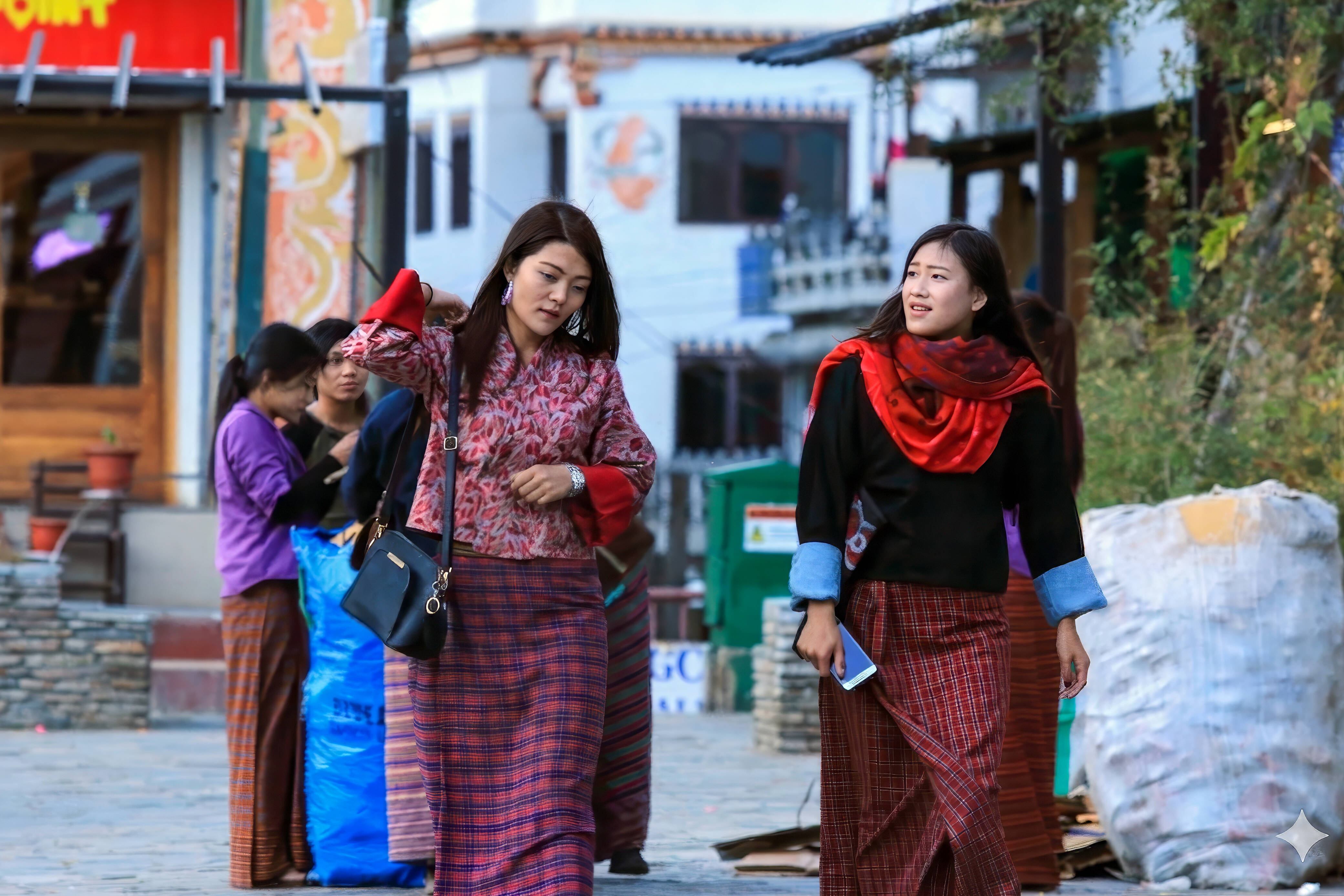

Paro valley is unequivocally one of the best, most picturesque and enchanting valleys of Bhutan. Being one of the most historic valleys of Bhutan has proven immensely advantageous to the visitors and traders alike. When you happen to sneak a glance around this valley, you find it touching the borders of Haa district in the west, Thimphu district in the east and Chukha district in the south. So, it is likely for you to say, ‘this is heaven’, after having a firm look at and around the valley and admiring its beauty from all angles. Let’s help you find more such heavenly views and assist you gain a multi-dimensional viewpoint. Having said that, you being here with us today, reading our blog, explains pretty much how either you have already planned a travel to Paro valley or are out to update your bucket list. Either way, you are in for the best experience of your life. Now, while Paro is already pretty gorgeous, how about we dive a little deeper into the details and checkout the best places to visit in Paro valley.
Taktsang monastery (Tiger’s Nest monastery)
For all those of you, wondering with a frown on your forehead, we must mention, Tiger’s nest has nothing to do with real, alive tigers. It’s instead about the Taktsang, as it is widely known in Bhutan, which roughly translates to ‘tiger lair’ caves. Dwelling a little into the history, these caves bore the presence of Guru Padmasambhava who meditated here for three months in the eighth century. Around those caves is the temple complex, which was built in 1692, and that is the place where you would hike to while visiting the Tiger’s Nest. And no, there are no words strong enough to describe its scenic beauty. The climb to Tiger’s Nest is the centerpiece of our Bhutan: The Thunder Dragon tour.
Kyichu Lhakhang
When in mood for a perfect blend of scenic beauty and remarkable architecture from the brilliant minds and dexterous hands of our ancestors, Kyichu Lhakhang is where you ought to visit. This is one of the most significant Himalayan Buddhist temples in the world today. Home to one of the oldest temples in Bhutan, was originally built in the seventh century by the Buddhist Tibetan king, Songtsen Gampo. It is believed that the temple was visited by the aforementioned Guru Padmasambhava and that hidden somewhere inside the temple are plenty spiritual treasures. Its history goes a long way with a number of fascinating stories which can be better heard from the locales of Paro district.
Drukgyel Dzong
There’s a different sort of charm and magnificence of ruins, much for the history it carries. Take for example the Drukgyel Dzong which is now in ruins. The sad story behind these ruins is, in early 1950s, the monastery caught fire. And just like that an enchanting monastery built in 1647 turned to ruins, leaving behind a history of about three hundred years.
Paro Rinpung Dzong
Meaning the fortress of The Heap of Jewels, is one of the finest examples of Bhutanese architecture. It was built between 1642 and 1646. This dzong now houses monk body and administrative offices of Paro and is symbolic as the religious and secular center of all affairs of the valley. Along the wooden galleries lining the inner courtyard are fine wall paintings illustrating Buddhist lore such as four friends, the old man of long life, the wheel of life, scenes from the life of Milarepa, Mount. Sumeru and other cosmic Mandala. It is also the place where Bhutanese celebrate the famous annual festival called Tshechu. There is a series of traditional mask dances during this time, relaying traditional religious stories from days gone by. So, it is the perfect place to learn about the history and culture of Paro and Bhutan.
National Museum of Bhutan (Ta Dzong)
A fascinating building in white and red, the National Museum of Bhutan is as much a sight to behold from outside as it is on the inside. Being engulfed by mountains on all sides, it renders serenity and certain enthusiasm to leap forward and see what such an outside beauty could behold on the inside. And on the inside, is a brilliant collection of finest specimens of the Bhutanese art. The interiors of this museum bear bronze statues and paintings from creative geniuses of the past. Inside the galleries of this museum are such extensive collections of art which will make you awe at the creativity of our Bhutanese ancestors.
Tachogang Lhakhang
A beautiful landscape with incredibly constructed way leading to a revered temple built around the early years of fifteenth century. The Tachogang Lhakhang is reached through an iron suspension bridge. It is likely to render a déjà vu, reminding you of a couple of scenes from various movies across the globe. We say, it’s a must place to visit when in Paro or around.
Dungtse Lhakhang
Built in the form of Chorten, a very rare sight in Bhutan, Dungtse Lhakang is a Buddhist temple located on the edge of a hill. Legend says, the Dungtse Lhakhang was built by the saint Thangtong Gyalpo. One of the legend descriptions point in the direction of serpentine force, for defeating which the temple was built. Another depicts the Lhakhang was built on head of a demoness. Between this, it is believed that the hill bearing the foundation of this temple is in fact a black vicious snake moving in the downward direction. That aside, fancy thing about the location of the Dungtse Lhakhang is the Paro Chhu River which flows in close proximity.
Dra Karpo Lhakhang:
Dra Karpo forge a connection to the spirituality. So far, it has become the must-watch Buddhist Pilgrimage in these recent years. It is mounting of spellbinding Rocky hills that is thought-about Scared. Should be all set to walk a number of times around the Hill that too on healthy legs. Keep mounds of pebbles to keep a track on the rounds taken around the Hills. Owing to it being a holy place, you can realize a complete tranquility. Best known to remove all impasse surfaced in your life. Apart from this, it contains the foot as well as hand prints of some eminent personalities to be embedded with some supernatural power. It is believed that circumambulate the Mountain 108 times, can be relieved from all sins and his soul will rest in peace. It in fact, known to draw immense inner satisfaction. It contains in itself a very spiritual history with it.
Kila Goemba:
Kila Goemba is the tranquil home of Nuns who have to tread her path towards accomplishing spiritual goals. It is cuddled in a rugged patch on the Mountain right below the Chelela Pass resting along the rock face. Nuns were believed to be alienated themselves from all the worldly possessions. It encompasses a plethora of meditation huts as well as the hidden caves. Well, it all surrounded by lush forest and wildflowers creates a viable atmosphere for the meditation. So, draw a complete happiness which seems to nigh impossible in this hectic life.
Chele la pass:
It presents some unforgettable eye-catching view of the Himalaya at over 13,000 ft. west above the Paro Valley. It provides an unbeatable advantage of having a chance to view even the most widely known Mt. Jhomolari, a most divine peak rest at over 22,000 feet. In addition to the beautiful view, Chele la pass also spot for the Flora and fauna. With its ravishing forest as well as ancient trails, it is known to be the quintessential places for the Himalayan hiking. Mountain slopes are all-inclusive of varieties of ferns and dense forest. The two temples Lhakhag Karpo and Lhakhag Nagpo, standing scout standing at the south entrance of the valley.
Druk Choeding temple:
A peaceful Druk Choeding temple also known as Tshongdoe Naktshang. It was built by Ngawang Chhogyel in 1525. This 16th century old sanctum of keep hold of ancient artifacts, Jampa, Gyenyen and Deity. The market in addition to Bhutanese local archery show is located in close vicinity of Druk Choeding.
Bhutanese Farm house:
Staying in Bhutanese farm house is like dreams comes true. It helps you drive an eternal quest for happiness. It gives an opportunity to grab the top-notch experience of typical village life in Bhutan. Complete ablutions and tradition breakfast is something very amazing.
Dzongdrakha Goemba:
It is well-known Buddhist temple in Paro through Cheli La. It is overt remarkable but little-visited asylum of DzongdraKha. DzongdraKha is known among the sites where Guru Rinpoche repress local demons. The Tshering Lhakhang is dedicated to Goddess of longevity. Go up Log ladder to the Droley Lhakhang, a cave-like structure, which dwells in a huge number of statues, which are ought to be used during the festivals. Going ahead to have a glimpse of a Guru Lhakhang, where you will get to know the stories of the local spirits.
Sangay handmade bowl and cup factory:
You can observe the process of producing of traditional wood turning by local artisans who make traditional wooden bowls and cups and even try your hand if you wish. The art of wood turning is known as Shag zo, one of thirteen traditional arts and crafts of Bhutan.
It is about time that we return to the present and reminisce all the history and geography of Bhutan learnt this far through Paro. And now that we are back, glowing in the thoughts of traveling to all these incredible places, and engulfing all the serenity it imbues, let’s not delay anymore and book a travel package in Bhutan right away.
Paro is just one chapter of the kingdom. See how it fits into the bigger picture in our guide to the best places to visit in Bhutan.
Travel Tips
Ready to Explore Bhutan?
Let us craft your perfect Bhutanese adventure
Plan Your Journey