
“With spring arriving, it is time to discover the hidden beauty of nature in a refreshing and energizing atmosphere that promises to infuse fresh air into your lungs”
New year means new adventures. And if you are looking to start new year with something different, a Bhutan trekking tour is probably one of the best ways to do it. Trekking brings many benefits to one’s body, but there are reasons that Bhutan trekking is on another level.
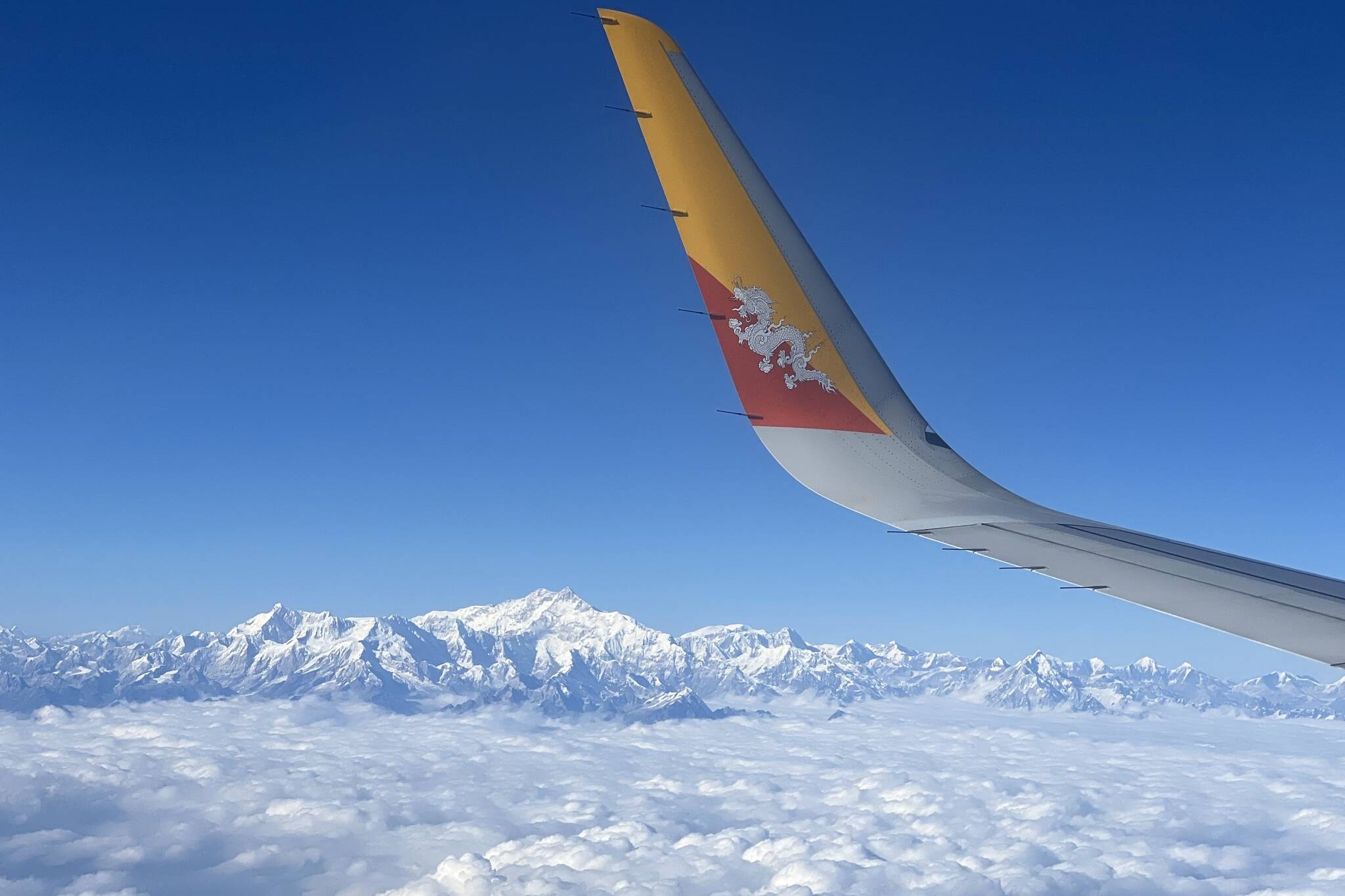
Bhutan in spring is simply stunning with the beautiful flowers are in bloom and the sun shining in the sky. Trekking in Bhutan and being surrounded by the breathtaking nature of the country will refresh your mind, body and soul. The classic Druk Path Trek, with its high alpine lakes and spring rhododendrons, is one of the most rewarding ways to begin.
The first benefit of hiking is that you will be ‘disconnected’ from technology
Research found that the constant use of technology and urban noise are incredibly disruptive, demanding our attention and preventing us from focusing on the present. Thus, the disconnection is necessary for one to recover, physically and mentally. It is also proved that the absence of technology can boost your creative problem solving.
Instead of keeping your head bury in your phone or laptop, free your mind and enjoy the lovely scenes along the Bhutan treks. By putting down your devices, you have the chance to take notice of your surroundings, enjoying the present.
The unfamiliarity of the environment will keep your attention away from technology, and instead of wondering who may contact you, the questions of “How does the breeze feel against your skin? What can you hear? When did the leaves start to change color?” may pop up.
Engaging yourself in the nature along the trails, you will come across with colourful flowers, Himalayas plants, and animals that you may not recognize. Yet, this puts you into observing and indulging yourself the more time you spend on your Bhutan trekking holiday.
Hiking in nature is a great exercise and therefore boosts brainpower
Hiking is an excellent way to burn between 400 – 700 calories per hour, and it is easier on the joints than other activities like running. Hiking through the trails on a regular basis decreases blood pressure and cholesterol, thus reducing the danger of heart disease, diabetes, and stroke for those at high-risk. In fact, hiking downhill is two times more effective at removing blood sugars and improving glucose tolerance. These facts are already well-known.
But hiking is much more than that as it does wonderful to your mind and soul. Such exercise helps to reduce stress, and anxiety, boost self-esteem, and release endorphins. It even prevents and improves memory loss.
On the other hand, walking mediation is a common Buddhist practice. Since Buddhist is the core of Bhutanese culture, the method is commonly practice by locals. If a sitting medication is not it for you, a long hike can still the mind that is constantly thinking about what one has to do next. Thus, going on a Bhutan trekking trip is one of the best gifts you can give yourself to start the new year!
Hiking puts nature into perspective and provides a sense of adventure
While hiking in the park may do the trick for a quick needed break, a Bhutan trekking package has all the reasons why it’s a ‘must’ for adventurers.
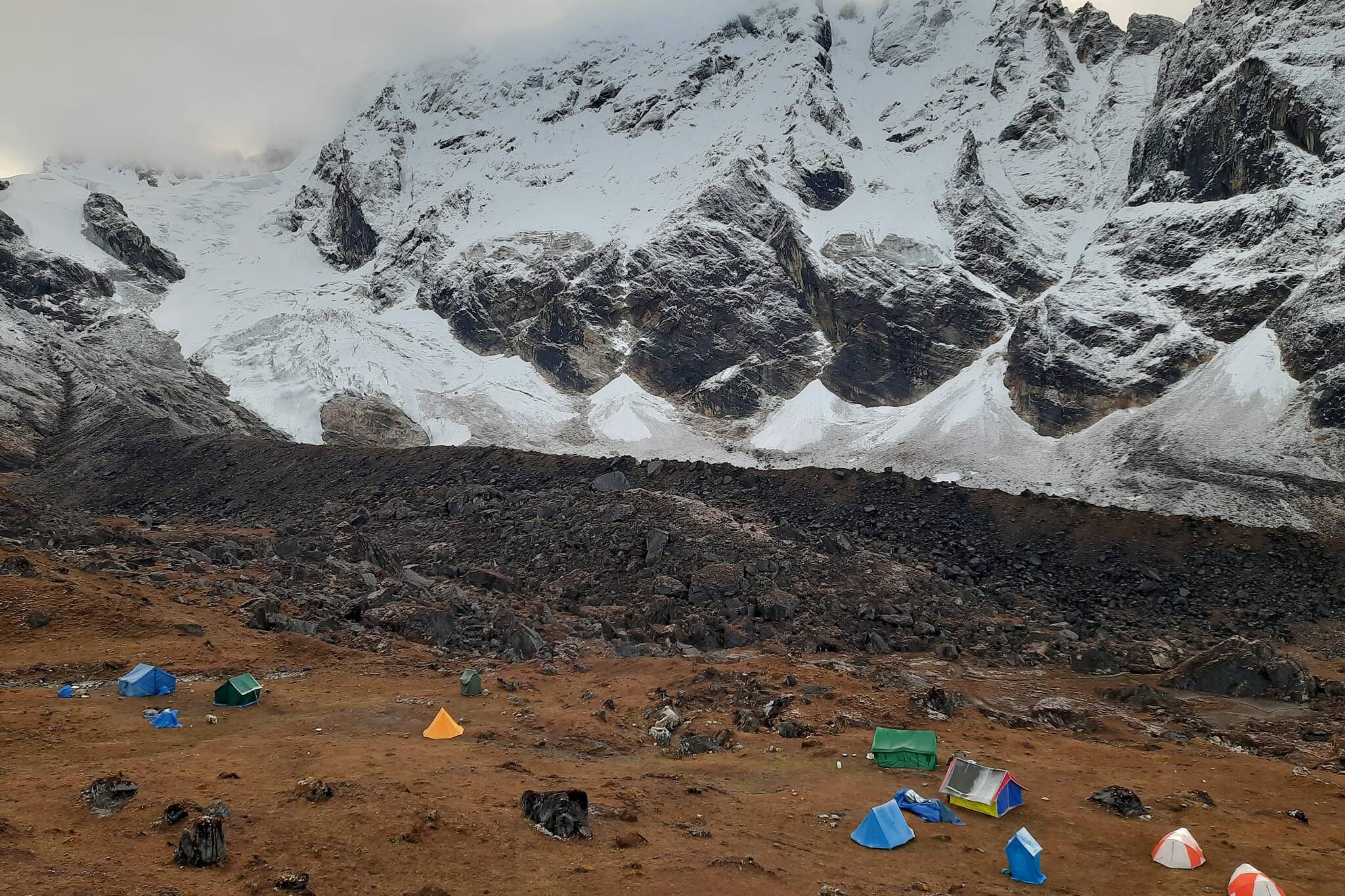
Up mountains, over hills, through forests and rice fields, hiking is a great — and increasingly rare — opportunity to get in touch with nature. Every minute of trekking in Bhutan is an adventure to the new land!
Upon reaching Bhutan, the clean and cool air will be the first thing you notice. The high altitude of Bhutan provides the country stunning natural scenes with the mystic atmosphere.
Bhutan is blessed with beautiful landscape and the diverse flora and fauna due to the different altitudes of the land. The Bhutan trekking tours will lead you to Bhutan’s national parks and sanctuary to appreciate nature at its best. In each sanctuary there can be hundreds or even thousands of species that can only be found here. These treks allow one to see the richness of Bhutan flora and fauna. Grey-headed woodpecker, common hoopoe, rufous-vented tit, red pandas, tigers, snow leopards can be found in these sanctuaries of Bhutan.
Hiking in nature can stop negative, obsessive thoughts
Aside from the almost instant feeling of calm and contentment that accompanies time outdoors, hiking in nature can reduce rumination.
The increase of negative thoughts, depression, and anxiety is closely related to urbanization. The negative thoughts take away our enjoyment with the present and it keeps you distracted from what is truly important – yourself and your loved ones.
Hiking gives you space, thus decreasing these obsessive, negative thoughts by a significant margin. Research shows that hiking, as a therapy, can help people with severe depression feel less hopeless, depressed, and suicidal. It may even inspire those suffering from depression to engage in a more active lifestyle.
As mentioned, hiking or walking mediation is popular in Bhutanese culture. You will see during your Bhutan trekking holiday why the people of the country are the happiest in the world. This is the result of virgin nature, but it also thanks to the practice of hiking that keeps them from negative thoughts and the stress of every day life.
Hiking fosters relationships
Hikers always recommend using the buddy system. A Bhutan trekking package only gets better when you bring along your buddy. The person can be your spouses, family, or friends. This is the perfect opportunity for you to spend more time with people who are important to you.
The long treks help you forge bonds and engage with the other person on a deeper level, to be more understanding of them. Imagine being in a foreign country, having small talks while conquer the Bhutan treks, meeting new people, and taking in the stunning landscapes of Bhutan. There is probably no other way that you would want to spend your holiday!
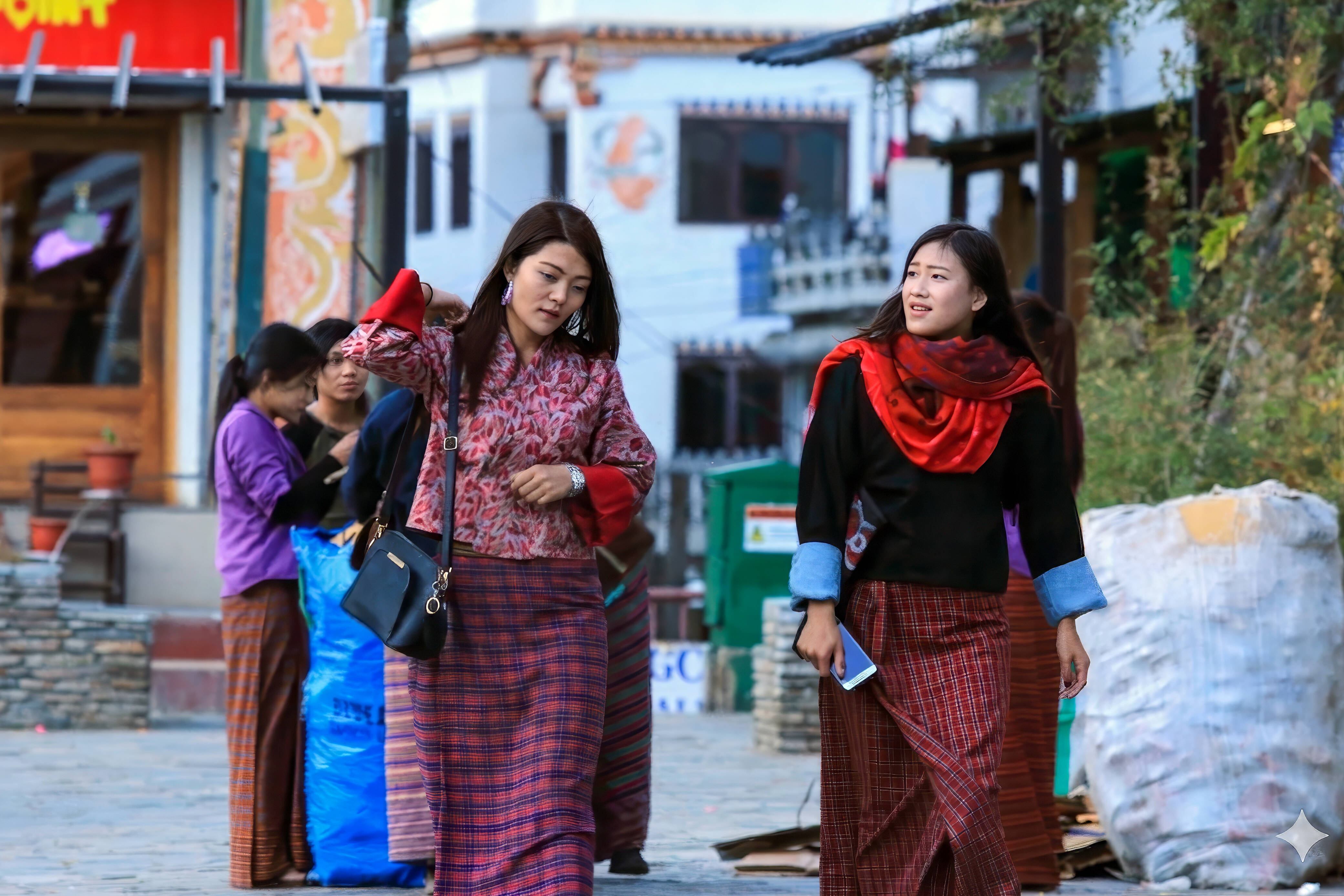
Along the treks, you may stay in the local villages, such as Nabji, Jangbi, Kudra, Chebisa Village, and Laya village to name a few, and spend nights here to experience the rural Bhutanese life. The Bhutanese are known to be warm and welcoming to visitors. You will make friends along the way and learn more about their traditions, their life, and more importantly, you will make unforgettable memories. The more you travel, the more you will see of Bhutan and fall in love with this beautiful country.
Ready to lace up your boots? Explore our Bhutan tour packages and find the trek that calls to you.
Ready to lace up your boots? Start planning with our complete guide to trekking in Bhutan — routes, seasons and permits in one place.
Travel Tips
Ready to Explore Bhutan?
Let us craft your perfect Bhutanese adventure
Plan Your Journey