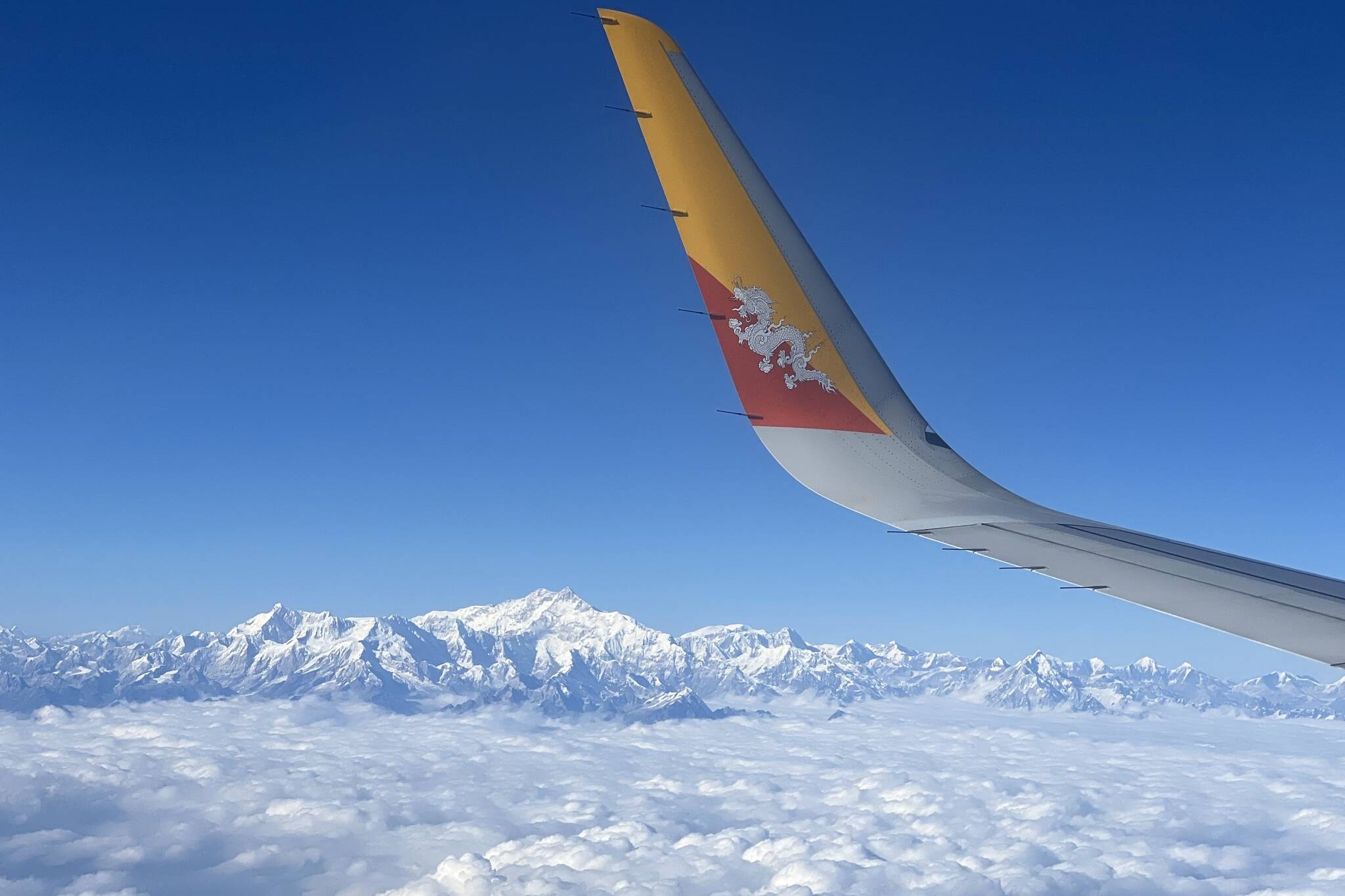

Bhutan – the kingdom in the clouds – is one of the best places on Earth for trekking.
The Himalayas mountains make excellent terrain for Bhutan trekking tours. You will see the holy monasteries, massive fortresses and hike on some of the highest mountains in the world. The geography of the country creates a wide range of Bhutan treks for everybody, from the relatively easy and scenic Druk Path trek for beginners, to the Snowman trek – one of the world’s hardest treks for experienced voyagers.
Despite the clear air and amazing view from the mountain’s top, trekking in Bhutan can be challenging due to the wilderness and harsh conditions. The rapidly changing weather, which may get extremely cold, wet and muddy, and probably with strong wind and snow (!), What it means? require careful preparation from explorers, whether you are taking a short hike or a more advanced trek.
While your Bhutan trekking package will include the service of a professional trek guide and crew, you are to be responsible for yourself at all times. You MUST be fully prepared, physically and mentally ahead of your trek.
There are 5 things to notice ahead of your adventure:
Checking your fitness level
This is the first thing to do before going on any Bhutan trekking tour. Evaluate your fitness level and check with your doctor if your preferred trek is suitable for your health conditions. Most of the treks start at an altitude of 2,400 m (7,874 ft).
Mountaineering consultation can give you useful information about high-altitude treks and conduct the hypoxic training session. These sessions help you to learn in the oxygen-reduced air to get use to your future Bhutan trek.
In high-mountain region, starting from around 4,000 m (13,123 ft), remember to consider the risk of acute mountain sickness (AMS). While most people can travel to 2,500 m (8,200 ft), the effects of AMS on one’s body may vary in regards to their fitness level and age.
Your body can adapt with gradual altitude change, however, some problems may occur if the changes are too fast. Common symptoms of AMS include headache, nausea, loss of appetite, shortness of breath, lack of energy and difficulty in sleeping. More serious symptoms are throwing up, feeling dizzy, being confused, difficulty in walking and having blue lips or finger nails.
The golden rule is to NEVER continue to ascend if you are showing symptoms of AMS, and to descend if the symptoms persist or get worse. You can get more information about AMS from your doctor or travel clinics.
Choosing a suitable trek for your fitness level and time, and suitable time for the trek
The most popular time for Bhutan trekking is in spring (March to May) and in autumn (September to November).
In spring, as the ice melts away, enjoy the scenes of rhododendron and orchids blossoms, and other beautiful flowers in Bhutan. You will have the splendid view of Bhutan’s mountains under the clear sky and pleasant weather.
Low-altitude treks like the Nabji Korphu are more suitable for Bhutan trekking holidays in the winter, due to the weather being dry, warm at days and cold at nights, and snow on high passes. The beautiful Nabji Korphu trek takes you to the villages of Nabji, Jangbi, and Kudra, and spend nights here to experience the rural Bhutanese life. If you are a nature lover, this is the chance to see wildlife animals, such as Great Hornbill, Golden Langur, Sambar deer, Barking deer, wild boar and so on.
Other recommended treks for voyeurs are Chele La Trek, Druk Path Trek, or the Dagala Thousand Lakes Trek. These hikes are all easily accessible, passing crystal clear lakes, and stunning views of the Himalayas.
For strenuous treks that take place in the northern villages, some of them can be as high as 5,500m. Thus, these treks should only be attempted by exceptionally fit & strong trekkers with alpine experience.
We will give you more information about the treks and help you to choose the most suitable hikes based on your fitness level and preferences.
Physical and mental training
After checking with your doctor, you can train your body for the trekking with the following exercises:
Cardiovascular Activities
Include running, walking on an inclined treadmill, doing stair stepping or step mill training, trail running, working on an elliptical machine and walking up and down hills. Bicycling, rowing and swimming are other cardiovascular options.
Strength Endurance
Be sure to maintain proper form at all times to prevent injury or strain. Training with free weights, bands, bodyweight exercises, or gym machines will help to build overall strength in the upper part of your body and legs. Developing strength in your upper back and shoulders will help you while carrying a pack and using trekking poles effectively. Squats, planks and crunches are also advised for strengthening your core muscles, arms and legs.
Hiking – Specific Training
For hiking conditioning, hike on trails having an ascent and descent, gradually increasing your backpack weight with each outing until you are at your target trekking pack weight. Try carrying an average pack of 4-5 kg (8,8 -11 lbs) over a distance of 5 km (3 mi) at first season and you then gradually increase till you can carry 5-6 kg (11- 13 lbs) for 7-9 km (4 – 6 mi).
Altitude Training
It is suggested to have start the altitude training 30 days prior to suffer less from AMS.
One useful training technique is to include interval training in your weekly program. Climb steadily on a steep hill or sets of stairs for several minutes, pushing as hard as you can while you go up and then recover coming down. Repeat it for anywhere from 30-45 minutes.
Asides from the suggested exercises, yoga can strengthen your body to trek longer distances. Well-known benefits of yoga for your body, especially for hiking, are that it increases your body’s flexibility, strength and endurance, and faster recovery. The poses strengthen your weak muscles, meaning fewer injuries, increase your lung capacity and improve your cardiovascular health to avoid heart disease and sudden strokes. It also prevents slouching when trekking with the right posture and a stronger core.
Packing for your trek
Due to the high altitude of the Himalayas, make sure to bring warm clothes when packing for your Bhutan trekking holiday. Night time might be much colder on the mountains, even in the summer.
Also, it is better to bring your own technical gear for trekking to ensure it meets your particular needs. Depending on your trek, be considered of what clothes and personal kit that you will bring with you to Bhutan.
The wearing of shorts is not allowed (except for hiking) as it will restrict your entry into religious sites such as temples, monasteries, dzongs, and chortens.
Buying your travel insurance
Last but not least, it is important to buy insurance to cover your Bhutan trekking package.
You might be trekking in secluded areas, where the rescue and evacuation fees can cost a fortune. If you are planning for a Bhutan trekking trip, make sure to have rescue and evacuation coverages before going on your adventure!
For a fuller picture of routes, fitness and the best months to go, see our complete guide to trekking in Bhutan.
Travel Tips
Ready to Explore Bhutan?
Let us craft your perfect Bhutanese adventure
Plan Your Journey