
Are you planning a vacation with your family members or friends and are in dilemma of choosing a good destination? If you want your trip to be one of the most enthralling trips of your life, look no further than Bhutan! Albeit, there are many awesome tourist places in Bhutan but you must also visit one of the most sought-after places in the country i.e. Punakha.
Punakha is one of the famous tourist destinations in Bhutan. The allure of beautiful landscapes of Punakha never fails to fascinate the tourists. So, don’t think too much! Plan a Punakha trip to experience the magnetism of this beautiful valley.
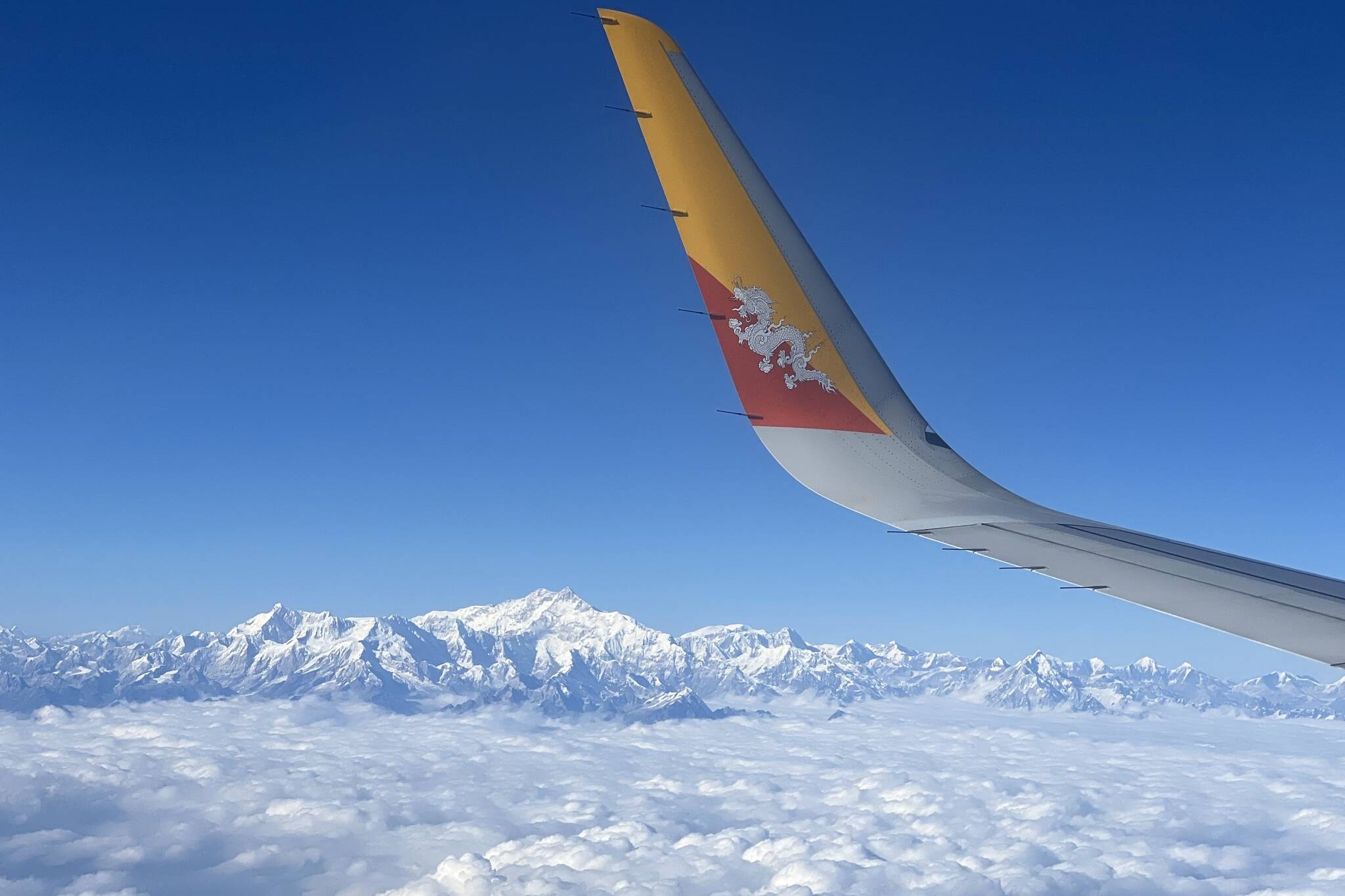
From breath-taking views of the Himalayas to thrilling adventurous activities at Pho Chhu and Mo Chhu river to rich cultural heritage to comfortable climate to awesome food and hospitality, Punakha makes a great holiday destination.
So, whether you are a wanderlust or an adventure seeker or a natural beauty lover, Punakha offers the tourist a fabulous experience to enjoy the vacation to the fullest.
Punakha is around four hour road journey from Thimphu. You might be wondering that whether visiting Punakha will be worth of traveling 8 hours to and fro. Yes! I guarantee you that after reading the blog, you will agree that Punakha is a must-to-visit destination in Bhutan.
Check out the top eight tourist attractions in Punakha:
Punakha Dzong – Symbol for Unified Bhutan
One of the most renowned and second oldest dzong in Bhutan. It is also known as “Place of Happiness”. It was built by Ngawang Namgyal, Tibetan Buddhist Lama in the year 1637 and at the junction of river Pho Chhu and Mo Chhu. Visit the Punakha Dzong and get enchanted by its beautifully crafted wooden work. The dzong has such a charisma that one can look at it without blinking eyes! Punakha Dzong is a highlight of our Bhutan: The Himalayan Kingdom tour.
The visit to Punakha Dzong will take around 2 hours as sitting and soaking in the peaceful and beautiful ambiance is the charm of the place! Monks walking around the dzong are quite helpful and will guide you out about diverse features of the place. Photography is not permitted inside the Dzong!
Chimi Lhakhang – Temple of Fertility
Are you a religious zealot? If yes, the place is meant for you. The Chimi Lhakhang is one of the most popular temples created in the year 1499 and known for its splendid majesty. It is also known as “Temple of Fertility”. It is believed that couples who visit the temple in the desire of a child are usually blessed with one.
Chimi Lhakhang is located on a small hill around 10 km away from Punakha and has gained a heroic reputation as a wish fulfilling temple. Visit the place and witness the divine grandeur of the temple!
Khamsum Yulley Namgyal Chorten – Chorten for Peace and Harmony
If you love hiking and walk trailing, visit the regal Khamsum Chorten. It is located around 30 minutes’ drive from North Punakha. The Chorten was built to eradicate all the negative forces. It is one of the most amazing Buddhist monasteries that promotes peace and harmony. On the other hand, if you are not ready for hiking, you can reach the Chorten by passing Punakha suspension bridge.
The visit to Khamsum Yulley Namgyal Chorten will take around 3 hours. So, if you are with children, it is advisable to carry some fruits or snacks with you.
Sangchhen Dorji Lhuendrup Lhakhang – Newest Nunnery
Sangchhen Dorji is a renowned nunnery in Punakha and one of the newest tourist attractions in Punakha. The place is known for its mesmerizing Bhutanese paintings beautifying the monastery’s walls and ceilings. The nunnery includes a 14-foot main bronze statue of Avalokiteshvara and other statues of Guru Padmasambawa, Gautama Buddha, Ngawang Namgyal and more!
Nalanda Buddhist College – Buddhist Monastery
Eager to know more about Buddhism? If you are a Buddhist or want to know more about Buddhism, visit Nalanda Buddhist College. It is beautifully located on a steep mountain in Punakha district.
Sit and soak in the peaceful ambiance of the monastery. Enjoy beautiful architecture and scenic view of the place.
Limbukha village – Peace Negotiators
If you want to witness one of the most peaceful and tranquil villages of Punakha, visit Limbukha village. The best time to visit the village is during “Serda”, a unique festival of Limbukha.
You will love to see the inhabitants of this village carrying peace flags and celebrating this festival.
Also, there is a fact about this village you will be amazed to know about – during the medieval war, people of Limbukha came out for requesting peace and harmony and since then they are known as Peace Negotiators.
Ritsha Village – Rice Cultivation
If you have planned to stay at Punakha for one more day, then consider visiting Ritsha village. It is located on the banks of famous river Pho Chhu and Mo Chhu. The village is exceptionally known for its white and red rice cultivation.
Visit the Ritsha village to spectate the beauty of houses made of mud and beautiful rice and garden fields. In the spring season, these gardens are loaded with fruits and look extremely beautiful at the times of rains.
Talo Village – Corn Cultivation
If you want to explore one of the cleanest and hygienic villages of Punakha, you should visit Talo village, situated at an altitude of 2,800 meters on a hill top. The village is known for lush green gardens with the cultivation of corn and sweet peas and its beautiful women. Visit the place to discover its spectacular beauty!
So, these are top 8 tourist attractions you must not miss while on your Punakha trip.
Make your Punakha expedition an unforgettable one by booking a tour package. With ample of travel agencies offering premium Punakha tour services, you can choose the one as per your interest and enjoy your vacation hassle-free.
So, what are thinking about? Come and explore the magnetism of Punakha!
Punakha is one highlight among many — explore the complete picture in our guide to the best places to visit in Bhutan.
Travel Tips
Ready to Explore Bhutan?
Let us craft your perfect Bhutanese adventure
Plan Your Journey